
LEAKED 2026: ‘Blue Bloods’ Producer Confirms Shocking Death Of Major Character In Upcoming Premiere — Fans Vow To Boycott!
The television landscape has been rocked by an unprecedented revelation that has sent shockwaves through the devoted fanbase of the long-running CBS procedural, Blue Bloods. A recent, highly controversial leak, now famously referred to as “LEAKED 2026: ‘Blue Bloods’ Producer Confirms Shocking Death Of Major Character In Upcoming Premiere — Fans Vow To Boycott! md02,” has ignited a firestorm across social media and fan forums. The alleged confirmation from a show producer regarding the impending demise of a beloved and central character in the upcoming 2026 premiere has sparked outrage, disbelief, and a unified call to action from fans who are now threatening a full-scale boycott. This article delves into the implications of this monumental leak, the fan r eaction, and what it could mean for the future of the Reagan family saga.
The Bombshell Revelation & Fan Uproar: A Digital Tsunami
The initial leak, which first surfaced on obscure fan forums before rapidly spreading to mainstream social media platforms, detailed a pivotal plot point: the death of a major character. While the identity of the character remains officially unconfirmed by CBS, the speculative buzz and the nature of the leak suggest a figure whose absence would undeniably alter the very fabric of the show. The sheer audacity of the leak, combined with its specific timing ahead of the 2026 season premiere, immediately fueled speculation and anxiety among the show’s loyal viewers.
What followed was a digital tsunami of fan reaction. Hashtags like #Save[CharacterName] and #BlueBloodsBoycott began trending globally within hours. Fans expressed a gamut of emotions, from profound sadness and anger to a sense of betrayal. Many felt that such a significant plot development, if true, would be an affront to the years they have invested in the series and its characters. The immediate and visceral response underscores the deep connection audiences forge with long-running dramas and their ensembles.
- Disbelief and Denial: Many fans initially dismissed the leak as baseless rumor or an elaborate hoax.
- Anger and Betrayal: A significant portion felt personally offended by the prospect of losing a foundational character.
- Threats of Boycott: Calls to refuse watching the premiere and subsequent episodes gained rapid traction.
- Demands for Explanation: Fans inundated official Blue Bloods and CBS social media accounts demanding clarification.
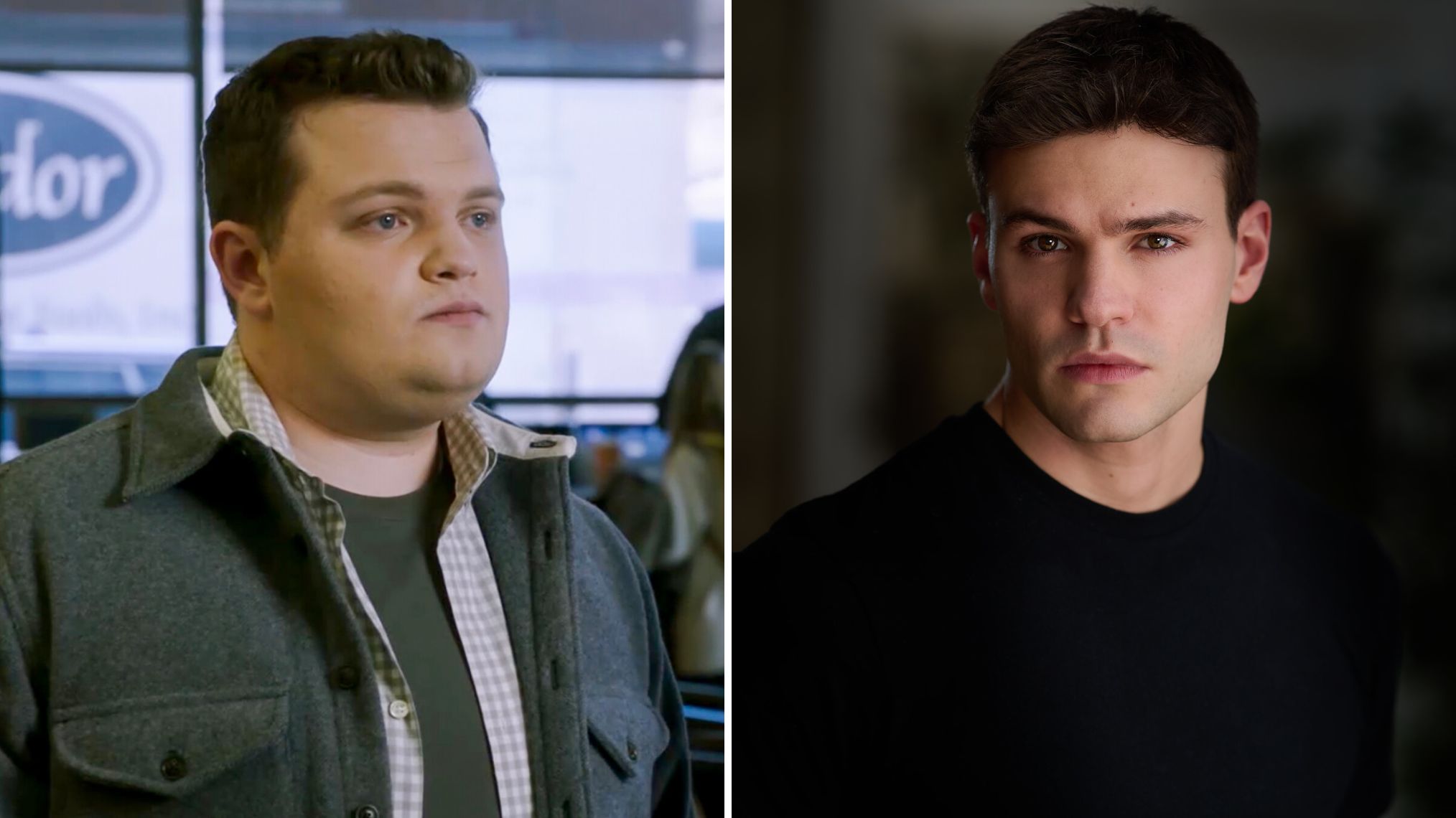
Producer’s Confirmation and Its Fallout: LEAKED 2026: ‘Blue Bloods’ Producer Confirms Shocking Death
Adding an unprecedented layer of complexity and controversy to the situation, an alleged statement from a Blue Bloods producer appeared to confirm the leak’s veracity. While the exact wording and context of this confirmation are still debated, its existence, even in a fragmented form, sent the fan base into a new level of frenzy. The idea that such a monumental spoiler would be confirmed, even inadvertently, by someone within the production team, is highly unusual and has significant implications for how networks and showrunners manage sensitive information.
The producer’s purported confirmation transformed the speculative leak into a tangible threat for many fans. It shifted the narrative from “is it true?” to “what can we do about it?” This perceived validation of the leak amplified the feelings of betrayal and galvanized the boycott movement. It also raised questions about the show’s creative direction and whether such a drastic change was truly necessary or simply a ratings ploy that backfired spectacularly due to the early reveal. The fallout has placed CBS and the Blue Bloods production team in an unenviable position, facing an enraged audience before the season has even aired.
Why Would a Producer Confirm a Leak?
- Damage Control: Attempting to get ahead of the story and manage expectations, albeit poorly executed.
- Intentional Hype Generation: A risky strategy to generate buzz, which clearly backfired given the negative reaction.
- Internal Miscommunication: A producer might have spoken out of turn or had their words taken out of context.
- Creative Justification: An attempt to explain the creative rationale behind a controversial decision before the premiere.
The “Boycott” Movement: A Deep Dive into Fan Activism
The “boycott” movement brewing within the Blue Bloods fandom is not merely an idle threat; it represents a powerful display of collective fan activism. History is replete with examples of fan communities mobilizing to influence creative decisions, though rarely with such intensity before a season’s premiere. For Blue Bloods, a show built on the bedrock of family loyalty and tradition, the potential loss of a core family member is seen by many as a violation of the show’s fundamental premise. Fans feel that such a decision disrespects the show’s legacy and its long-standing audience.
The proposed boycott aims to impact viewership numbers for the 2026 premiere and subsequent episodes, sending a clear message to CBS and the producers that the audience’s loyalty is conditional. In the age of streaming and fragmented viewership, live ratings remain a crucial metric for network success and advertising revenue. A significant drop in viewership could force a reconsideration of future plotlines or even lead to an early end for a show that has otherwise been a consistent performer. This level of fan engagement highlights the evolving power dynamics between creators and their consumers in the digital era.
Creative Decisions vs. Fan Expectations: Navigating the Narrative Minefield
The controversy surrounding the alleged death of a major character in Blue Bloods spotlights the perpetual tension between creative autonomy and fan expectations. Showrunners and writers often face the difficult task of keeping long-running series fresh and engaging, sometimes through drastic narrative shifts. Character deaths, while often painful for viewers, can serve multiple creative purposes: to introduce new dynamics, raise the stakes, provide emotional depth, or allow actors to move on. However, when these decisions are perceived as arbitrary or disrespectful to the characters and the audience, they can lead to significant backlash.
For a show like Blue Bloods, which thrives on its ensemble cast and the weekly dinner table scenes, the loss of a key figure could fundamentally alter its chemistry. The challenge for the creative team will be to justify this decision narratively, should it indeed come to pass, and to demonstrate how it enhances rather than detracts from the show’s enduring appeal. The current situation serves as a stark reminder that while creators have the final say, a deeply invested fanbase holds considerable sway in the success and longevity of a beloved series.
Factors Influencing Major Character Deaths:
- Story Arc Completion: A character’s journey may naturally conclude.
- Actor Availability: An actor may choose to leave the show.
- Shock Value & Ratings: A dramatic event designed to boost viewership.
- Creative Reinvigoration: To shake up established dynamics and introduce new conflicts.
- Budgetary Constraints: Reducing cast salaries to manage production costs.
What This Means for Blue Bloods’ Future: Beyond the LEAKED 2026 Controversy
The ramifications of the “LEAKED 2026: ‘Blue Bloods’ Producer Confirms Shocking Death Of Major Character In Upcoming Premiere — Fans Vow To Boycott! md02” controversy could be profound and far-reaching for Blue Bloods. At stake are not just ratings for the upcoming season, but the show’s overall legacy and its relationship with its dedicated fanbase. If the boycott gains significant traction, it could lead to a noticeable dip in viewership, potentially impacting advertising revenue and future season renewals. Conversely, if the creative team manages to execute the storyline with exceptional grace and provide a compelling narrative justification, it could, against all odds, reinvigorate the series for some.
However, the immediate challenge lies in rebuilding trust and managing the intense emotional response from fans. The show’s producers and CBS will need a robust strategy to address the outcry, whether through official statements, interviews, or carefully crafted promotional materials that aim to reassure viewers. The incident serves as a critical case study in the delicate balance between creative storytelling and the powerful, interconnected voice of modern television audiences. The future of the Reagan family, and indeed the show itself, hinges on how adeptly this narrative minefield is navigated in the coming months.
The firestorm ignited by the “LEAKED 2026: ‘Blue Bloods’ Producer Confirms Shocking Death Of Major Character In Upcoming Premiere — Fans Vow To Boycott! md02” is more than just a fleeting controversy; it’s a critical moment for a show that has been a staple in millions of homes for years. The alleged confirmation of a major character’s death, coupled with the unified fan response, sets a dramatic stage for the 2026 premiere. Whether this turns out to be a creative misstep that alienates a loyal audience or a bold narrative gamble that ultimately pays off remains to be seen. One thing is certain: the future of Blue Bloods will be irrevocably shaped by the fallout from this unprecedented leak and the powerful voice of its devoted fans.