
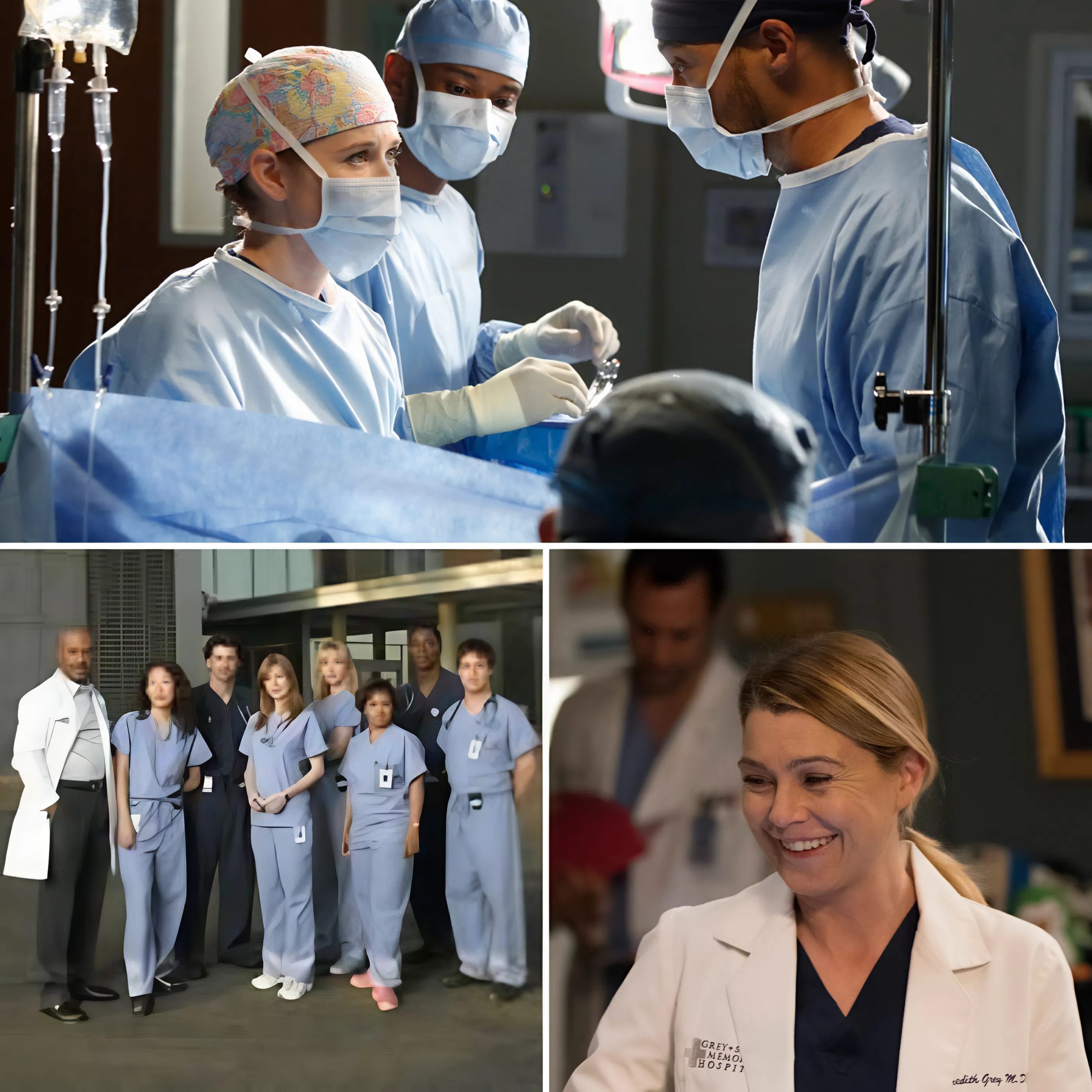
‘Grey’s Anatomy’ Vs. The Reality Of Working In A Hospital
For nearly two decades, Grey’s Anatomy has captivated audiences with shocking surgeries, heartbreaking romances, explosive medical disasters, and emotional monologues that turned the long-running drama into a global television phenomenon. But while fans remain deeply invested in the chaos of Grey Sloan Memorial Hospital, many real-life healthcare workers continue asking the same question: how much of Grey’s Anatomy actually reflects the reality of working inside a hospital?
The answer, according to many medical professionals, is both surprisingly complicated and wildly entertaining.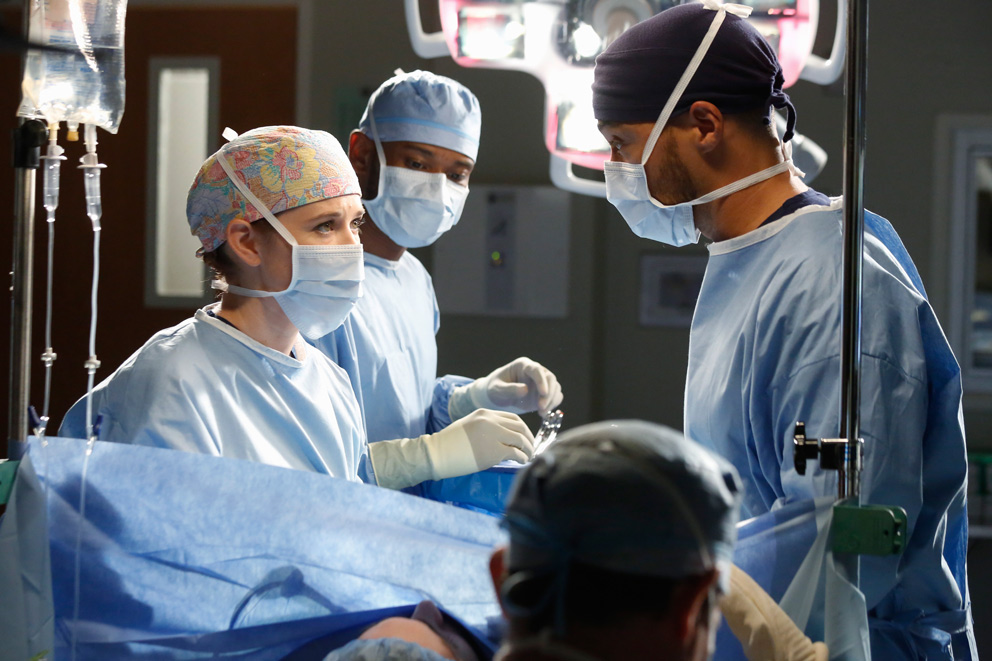
The Drama Is Real — But The Speed Is Not
One of the biggest differences between Grey’s Anatomy and real hospital life comes down to pacing. On screen, surgeons sprint through hallways, diagnose impossible cases within minutes, and perform groundbreaking operations before the next commercial break.
In reality, hospitals move far more slowly.
Doctors often spend hours reviewing patient histories, coordinating with multiple departments, filling out documentation, and navigating insurance or administrative procedures. While emergencies absolutely happen, real medical professionals say the nonstop pace seen in the series is dramatically heightened for television.
Still, many viewers continue praising the show for capturing the emotional pressure that healthcare workers face every day. The exhaustion, burnout, emotional trauma, and life-or-death decisions portrayed throughout the series are rooted in experiences many hospital staff understand all too well.
Surgeons Don’t Usually Do Everything
Longtime fans of Grey’s Anatomy are used to seeing surgeons handling nearly every aspect of patient care — drawing blood, transporting patients, running scans, delivering emotional updates, and even managing emergencies outside the operating room.
That is where reality sharply diverges from fiction.
In actual hospitals, responsibilities are divided among nurses, technicians, specialists, residents, anesthesiologists, and countless other healthcare professionals. Real surgeons rarely perform every task themselves because hospitals rely heavily on teamwork and specialization.
Some medical workers have joked online that the doctors at Grey Sloan Memorial appear to have “unlimited free time” compared to real-life surgeons who often spend much of their shifts buried in paperwork and administrative responsibilities.
The Romance Factor Is Definitely Heightened
Few television dramas are as famous for romance as Grey’s Anatomy. Relationships have formed in elevators, supply closets, operating rooms, ambulances, and nearly every corner of the hospital over the years.
From Meredith and Derek to Jackson and April, the show built an empire on emotional love stories mixed with tragedy.
Real hospitals, however, operate under much stricter professional expectations. While workplace relationships can happen in any industry, healthcare workers say the frequency and intensity of romantic entanglements on the series are heavily exaggerated.
Many medical professionals also point out that real hospital shifts are often so exhausting that there is little energy left for the kind of dramatic emotional confrontations viewers regularly see on screen.
The Medical Cases Sometimes Stretch Reality
Over the years, Grey’s Anatomy became famous for increasingly shocking emergencies — ferry crashes, plane disasters, mass shootings, explosions, sinkholes, superstorms, and rare experimental surgeries that often border on miraculous.
While some cases are inspired by genuine medical situations, experts say the show frequently amplifies the rarity and complexity of procedures to maximize suspense.
That does not necessarily mean the series ignores medical research altogether. In fact, Grey’s Anatomy has long worked with medical consultants to help maintain a level of authenticity in terminology, surgical procedures, and patient care scenarios.
Even so, real healthcare workers often notice inaccuracies immediately, especially when it comes to timelines, survival rates, or how quickly doctors arrive at diagnoses.
Why Medical Workers Still Respect The Show
Despite its dramatic liberties, many doctors and nurses still admit they enjoy watching Grey’s Anatomy. Some appreciate how the show humanizes healthcare workers by exploring their emotional struggles, mental health battles, grief, and personal sacrifices.
The series has also tackled major social issues over the years, including racism in healthcare, physician burnout, gun violence, women’s health, and systemic inequality inside hospitals.
For many viewers, the emotional storytelling matters more than strict realism.
Medical workers have frequently noted that while the show may exaggerate events, it successfully captures the emotional intensity of working in life-or-death environments where stress levels remain constantly high.
The Emotional Trauma Feels Surprisingly Accurate
Perhaps the most realistic aspect of Grey’s Anatomy is not the surgeries or medical terminology — but the emotional weight carried by its characters.
Loss, fatigue, moral dilemmas, and psychological strain are recurring themes throughout the series. Real hospital employees often say those emotional elements resonate deeply, especially after years of working through crises, understaffing, and traumatic emergencies.
The show’s portrayal of doctors struggling to balance personal lives with impossible professional demands has become one of its most relatable qualities, even when the surrounding drama becomes larger than life.
Why Fans Keep Coming Back
At its core, Grey’s Anatomy was never designed to function as a documentary. It is a high-stakes television drama built around emotion, heartbreak, suspense, and unforgettable characters.
And after nearly twenty seasons, audiences clearly still love the formula.
The series continues thriving because it blends fantasy with emotional truth — delivering stories that may not always reflect the exact reality of hospital life, but still connect with viewers on a deeply human level.
For fans, that balance between realism and melodrama remains part of the magic that keeps Grey’s Anatomy alive after all these years.