
“FBI: International” Season 4 Takes a Darker Turn — Fans Say the Fly Team Is Now ‘Emotionally Unrecognizable’
By the time FBI: International entered Season 4, fans thought they were prepared for intensity.
They weren’t.
Instead, Season 4 pushed the Fly Team into a version of itself that viewers barely recognize — more emotionally fragile, more psychologically burdened, and operating under constant pressure that never fully resets between missions.
And the reaction online has been intense.
Season 4 Feels Heavier From the Very First Episodes
Fans immediately noticed that Season 4 doesn’t waste time rebuilding comfort or stability.
Instead, the season opens with:
- lingering emotional consequences from past missions
- strained communication inside the team
- and a noticeably more serious tone in every investigation
Even routine cases feel heavier.
Viewers describe the atmosphere as “less procedural, more psychological.”
The Fly Team no longer feels like a clean, coordinated unit.
They feel like individuals trying to function under sustained emotional strain.
Cameron Vo’s Role Expands Into Emotional Leadership
Cameron Vo, portrayed by Vinessa Vidotto, becomes even more central in Season 4.
Fans have pointed out that Vo increasingly takes on:
- emotional decision-making pressure
- stabilizing roles during crises
- and a more visible leadership presence in the field
But that responsibility comes with consequences.
Her emotional restraint is tested more than ever, and viewers frequently see her balancing professionalism with internal strain.
Online discussions suggest many fans now see her as the “emotional control center” of the Fly Team.
And that makes her one of the most closely watched characters in the entire franchise.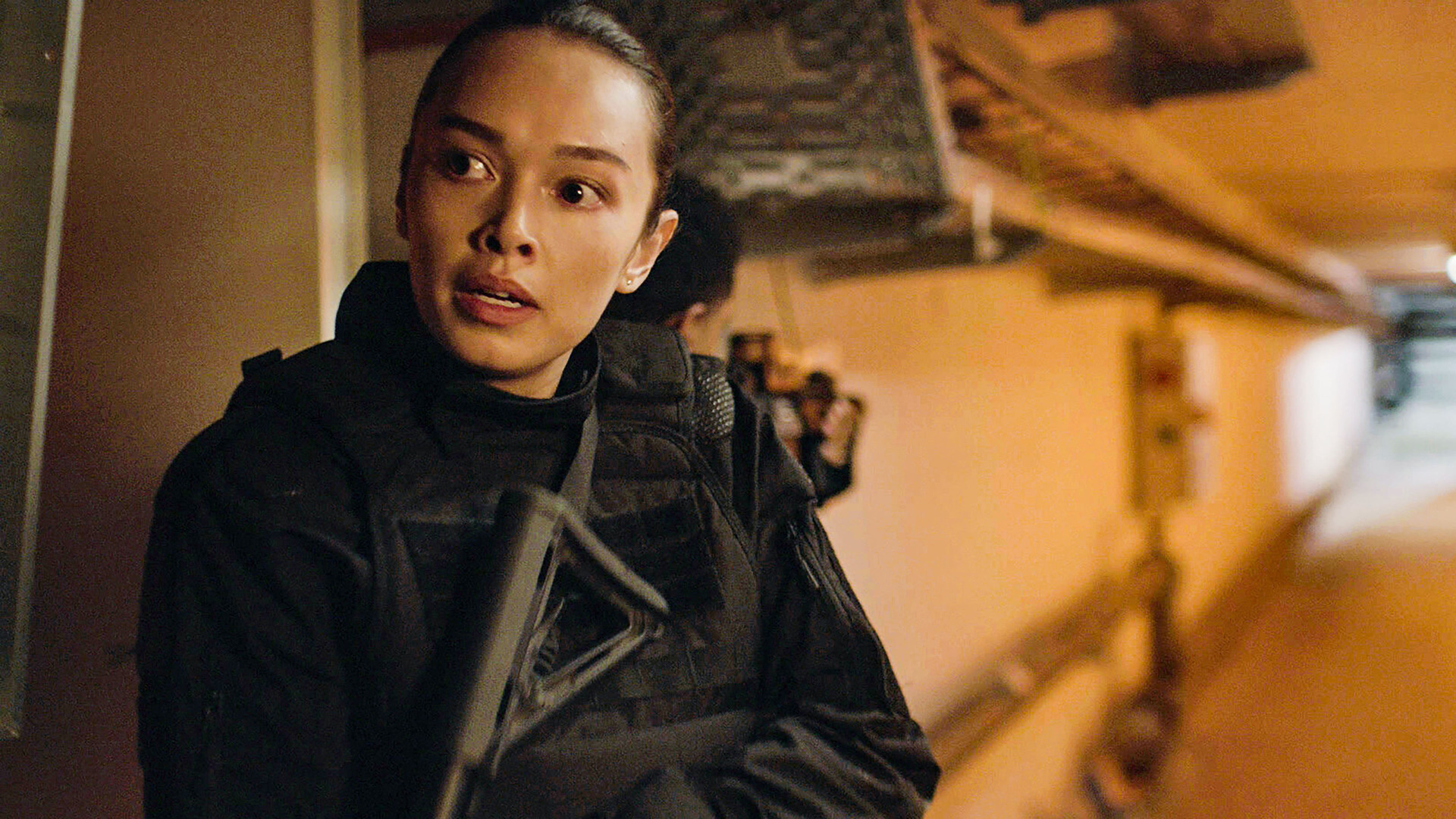
Andre Raines Becomes the Team’s Emotional Mirror
Andre Raines, played by Carter Redwood, continues to evolve as the emotional mirror of the series.
Season 4 highlights his:
- empathy toward victims
- internal moral conflict
- and visible emotional exhaustion after difficult missions
Fans increasingly say Raines represents what the audience feels:
concern, empathy, and emotional fatigue as cases become darker.
His reactions often guide how viewers interpret the emotional weight of each episode.
And that makes him essential to the show’s emotional storytelling.
The Villains Become More Strategic and Less Visible
One of the biggest changes in Season 4 is the evolution of antagonists.
Instead of direct confrontations, many villains operate through:
- long-term manipulation
- hidden intelligence networks
- political influence
- and psychological pressure tactics
This creates a different kind of suspense.
The danger is no longer just physical — it’s structural, hidden, and often invisible until it’s too late.
Fans say this makes the Fly Team feel like they are constantly reacting to forces they cannot fully see or control.
Emotional Fallout Is Now Part of Every Episode
Unlike earlier seasons where each case felt contained, Season 4 emphasizes emotional continuity.
Episodes now regularly reference:
- previous trauma
- unresolved personal tension
- and lingering psychological impact
That means nothing fully resets.
The Fly Team carries everything forward.
Fans say this makes the series feel more realistic — but also more emotionally exhausting to watch.
Safe House Scenes Become Even More Important
Quiet moments between missions continue to gain importance in Season 4.
These scenes often show:
- emotional exhaustion after cases
- fragile team communication
- and moments where characters briefly drop their professional guard
Fans say these scenes are now the emotional backbone of the show.
Without them, the intensity of the action sequences would feel overwhelming.
With them, the series becomes emotionally grounded — even in its darkest moments.
Tank the Dog Remains a Fan Lifeline
Even in a darker Season 4, Tank continues to serve as a rare emotional anchor.
The Fly Team’s canine companion appears in moments where tension breaks slightly, offering viewers a sense of emotional relief.
Fans often describe Tank as:
- “the only calm presence in the building”
- and “the emotional reset button of the show”
In a season filled with psychological tension, that balance matters more than ever.
The Fly Team Feels More Human — But Also More Fragile
Perhaps the most noticeable change in Season 4 is emotional vulnerability.
The Fly Team is no longer portrayed as a consistently stable elite unit.
Instead, they feel:
- emotionally exposed
- mentally stretched
- and increasingly dependent on each other just to function
Fans say this makes the characters more relatable — but also more vulnerable than ever before.
Fans Are Split on the Direction
Season 4 has created a clear divide in the audience.
Some viewers love the deeper emotional storytelling and say the series has matured significantly.
Others miss the earlier balance of:
- lighter team chemistry
- more self-contained cases
- and less psychological heaviness
But almost everyone agrees on one thing:
The show feels very different now.
Season 4 Solidifies the Show’s New Identity
By this point, FBI: International is no longer just a procedural crime drama.
It has become:
- a psychological ensemble drama
- a serialized emotional thriller
- and a story about survival under constant pressure
The cases still matter.
But the emotional consequences matter even more.
And that shift may define the future of the entire franchise moving forward.