
‘Fire Country’ Season 3 Became the Franchise’s Most Explosive Chapter Yet — And Edgewater Was Falling Apart From the Inside
By the middle of Season 3, it became painfully obvious that Fire Country was no longer the same show that premiered back in Season 1.
The emotional stakes had become bigger.
The disasters had become deadlier.
And the characters themselves looked emotionally exhausted from constantly surviving one crisis after another.
For many fans, Season 3 marked the moment Fire Country fully transformed from a firefighter redemption drama into something much darker — a series where emotional survival became just as difficult as escaping the fires themselves. (fire-country.fandom.com)
And honestly, viewers could feel the pressure in every episode.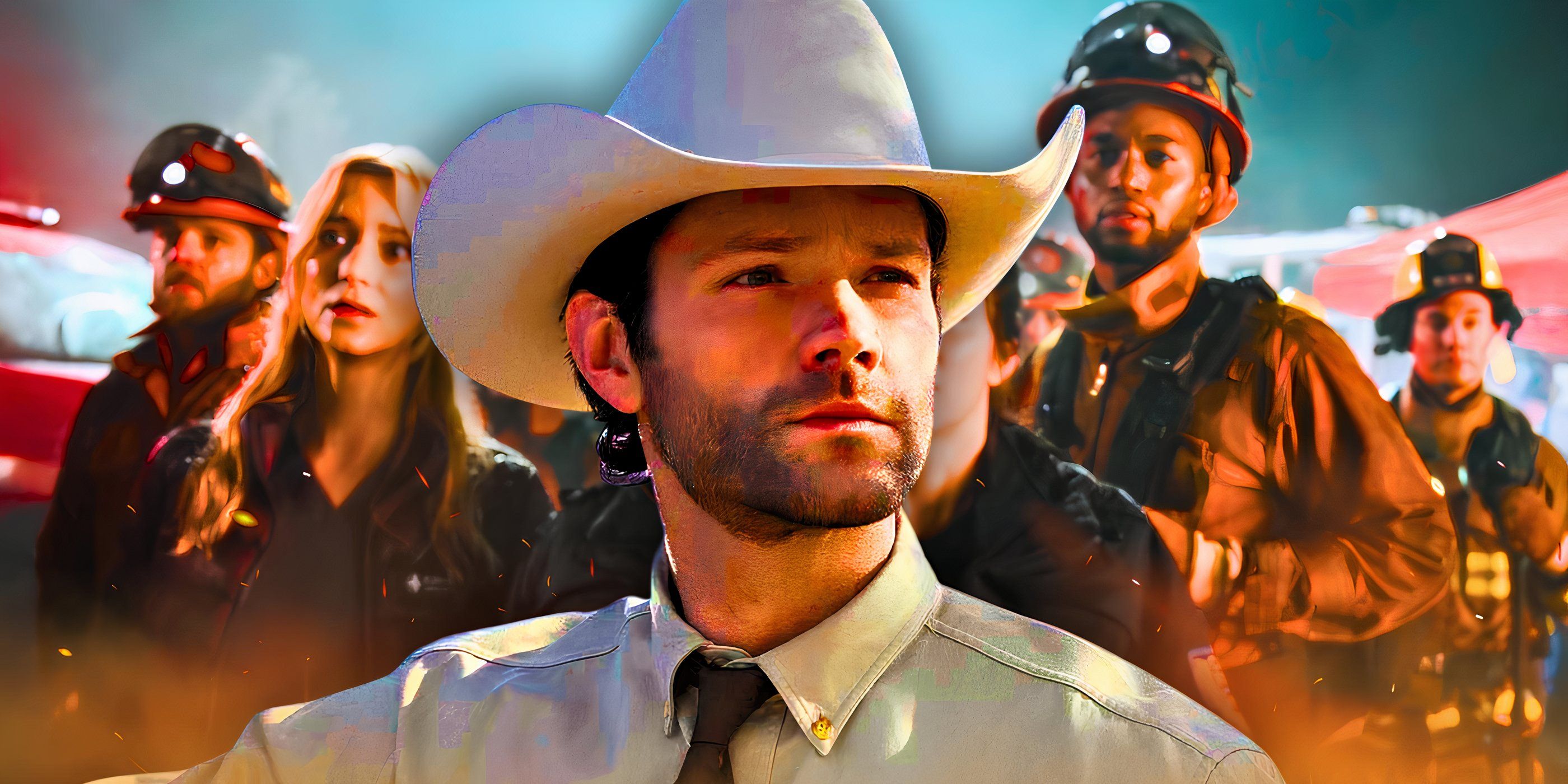
Bode Leone Finally Started Acting Like A Real Firefighter
One of the biggest shifts in Season 3 involved Bode Leone himself.
After years of impulsive decisions, reckless heroics, and emotional self-destruction, fans began noticing genuine maturity in Bode’s behavior. (collider.com)
He still took risks.
He still carried enormous emotional baggage.
But there were increasing moments where he looked calmer, more focused, and more capable of thinking beyond pure emotional instinct.
Viewers especially loved watching Bode earn greater respect within Station 42 instead of constantly fighting to prove himself.
For longtime fans, it felt like real character growth.
Gabriela’s Emotional Conflict Became One Of The Season’s Biggest Stories
Of course, Fire Country could never allow emotional peace for very long.
Season 3 continued pushing Gabriela Perez into increasingly complicated emotional territory. Her unresolved connection with Bode remained one of the emotional centers of the show, but fans noticed something changing in Gabriela too. (screenrant.com)
She looked emotionally drained.
The constant relationship chaos, career pressure, and unresolved feelings clearly started taking a toll on her.
Some viewers sympathized deeply with Gabriela, while others became frustrated watching the same emotional cycle repeat between her and Bode.
But regardless of fan opinions, the chemistry between them remained impossible to ignore.
Station 42 Started Feeling More Dangerous Than Ever
Earlier seasons often balanced emotional drama with moments of comfort and humor.
Season 3 still had those scenes, but there was a growing sense that everyone at Station 42 was reaching emotional burnout. (reddit.com)
Leadership tensions increased.
Characters questioned difficult decisions more often.
And the nonstop disasters started visibly affecting everyone psychologically.
Fans praised the realism because the firefighters no longer looked emotionally untouched by trauma. They looked tired, stressed, and deeply human.
That emotional realism became one of Season 3’s strongest elements.
The Rescue Operations Became Massive
Season 3 also delivered some of the biggest emergency sequences in the series so far.
Wildfires spread faster and more unpredictably. Rescue missions involved collapsing structures, dangerous weather conditions, and emotionally impossible decisions where not everyone could be saved. (cbs.com)
The production scale noticeably increased.
Several episodes looked closer to action-thrillers than standard network television dramas, especially during large evacuation scenes and multi-location emergencies.
Fans repeatedly praised how cinematic the season felt.
Vince And Sharon Continued Carrying The Emotional Weight Of The Show
Even amid all the large-scale disasters, many fans still considered Vince and Sharon Leone the emotional heart of Fire Country.
Season 3 pushed both characters through painful emotional challenges involving family strain, fear, and exhaustion. (screenrant.com)
What made their storyline so powerful was how grounded it felt compared to some of the more dramatic romantic chaos elsewhere in the series.
Their marriage looked real.
Messy sometimes, but deeply loyal.
And viewers became even more emotionally attached to Vince during Season 3 — something that would later make future storylines absolutely devastating for fans.
Eve Edwards Quietly Became One Of The MVPs Of The Series
Another standout element of Season 3 was Eve Edwards’ continued growth.
Fans increasingly praised Eve as one of the most emotionally stable and reliable characters in the show. Her leadership, emotional intelligence, and loyalty helped hold Station 42 together during some of its hardest moments. (fire-country.fandom.com)
Many viewers even argued Eve became one of the franchise’s most underrated characters because she consistently balanced strength with emotional compassion.
And in a season filled with chaos, that mattered a lot.
Fans Started Worrying About Character Safety
One major reason Season 3 became so addictive was the growing feeling that nobody was truly safe anymore.
Earlier seasons still carried some traditional procedural structure. By Season 3, however, Fire Country increasingly embraced unpredictability. Major injuries, emotional collapses, and devastating consequences could happen almost anytime. (screenrant.com)
Fans stopped assuming characters would automatically survive dangerous situations.
And that uncertainty created enormous tension during rescue scenes.
The Franchise Expansion Changed The Feeling Of The Show
Season 3 also continued expanding the Fire Country universe beyond Edgewater itself.
Connections to broader emergency services, law enforcement storylines, and future spin-off possibilities became more noticeable throughout the season. (deadline.com)
Some fans loved the larger world-building.
Others missed the smaller, more intimate feeling of Season 1.
But almost everyone agreed the franchise was becoming much bigger than anyone originally expected.
Why Season 3 Hooked Fans Even Deeper
Season 3 succeeded because it constantly balanced emotional intimacy with large-scale chaos.
The fires became bigger.
The emotional wounds became deeper.
And the relationships became more fragile than ever.
Yet viewers kept watching because the characters still felt emotionally real beneath all the drama.
That realism made every rescue matter more.
Because by Season 3, Fire Country had mastered something incredibly dangerous for television:
It made viewers emotionally terrified to lose these characters — and completely unable to stop watching them.