
‘Fire Country’ Season 2’s Filming Locations Were So Realistic That Fans Thought the Wildfires Were Actual Disasters
One of the biggest reasons Fire Country Season 2 felt so intense wasn’t only the writing or emotional drama — it was the incredibly realistic filming locations that made Edgewater look like a real town constantly fighting for survival.
And honestly, many viewers were shocked to learn just how much of the series is filmed in actual outdoor environments instead of giant Hollywood studio sets.
Season 2 expanded the scale of the production significantly, using forests, mountain roads, small-town streets, and real California landscapes to create the feeling that danger could erupt anywhere at any moment.
The result made many wildfire scenes look frighteningly authentic.
Vancouver Became The Hidden Face Of Edgewater
Although Fire Country is set in Northern California, much of Season 2 was actually filmed in and around Vancouver, British Columbia. (imdb.com)
Fans are often surprised by this because the production does an impressive job recreating the rugged California wildfire environment.
The forests surrounding Vancouver became perfect stand-ins for Edgewater’s dangerous wildfire zones. The natural terrain allowed the show to stage massive rescue operations, collapsing trees, smoke-filled landscapes, and large fire sequences with cinematic realism.
Many viewers admitted they assumed the show filmed entirely in California because the locations looked so convincing.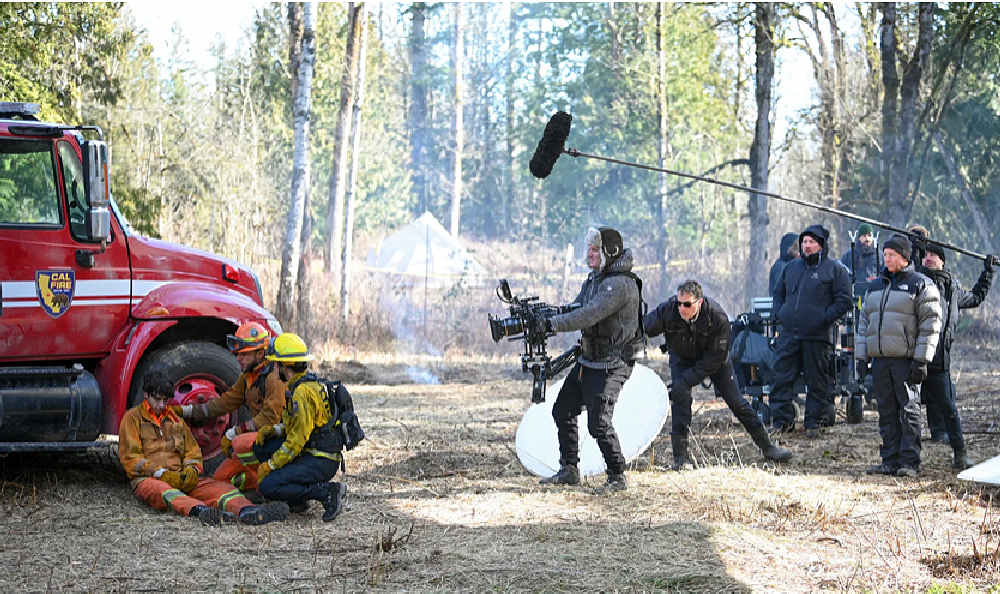
Burnaby Studios Helped Create The Emergency Chaos
While outdoor locations handled the large-scale action, many interior scenes were filmed at studios in Burnaby, British Columbia. (imdb.com)
This included portions of Station 42 interiors, medical areas, emergency command spaces, and several controlled disaster environments.
Using studio spaces allowed the production team to safely stage explosions, smoke effects, collapsing structures, and emotionally intense rescue scenes without relying entirely on outdoor conditions.
Fans especially praised how seamless the transition felt between studio work and real outdoor filming.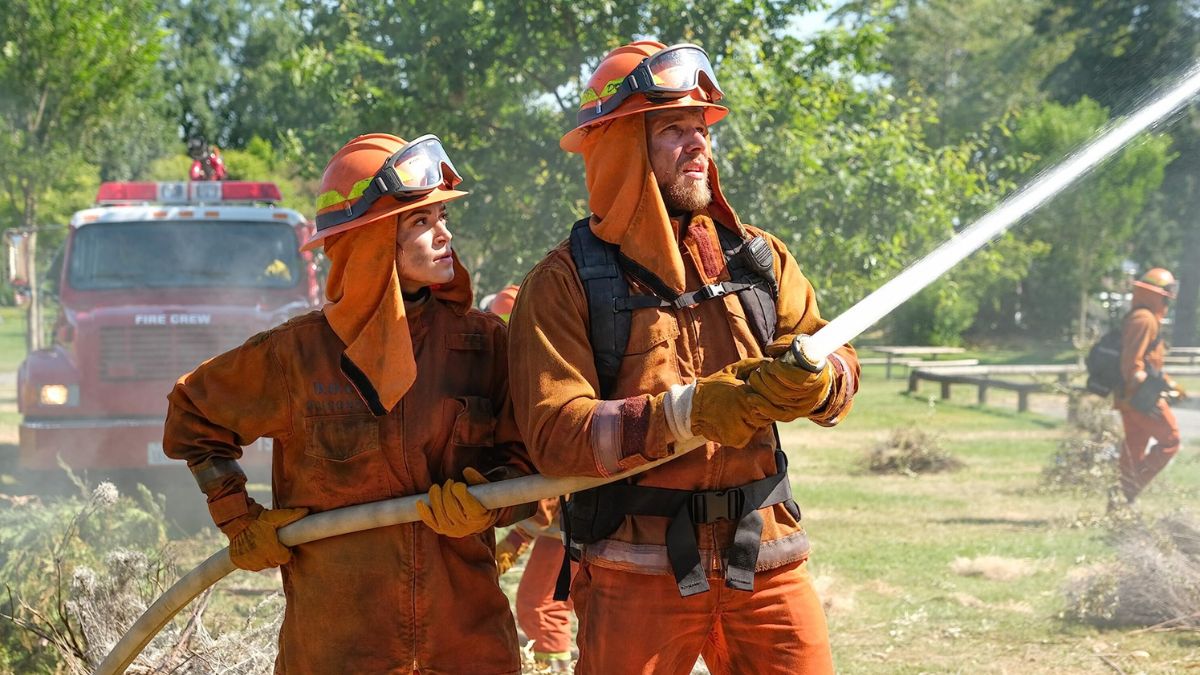
Real Forest Locations Made The Wildfires Feel Terrifying
One of Season 2’s biggest strengths was how authentic the wildfire sequences looked.
The production frequently filmed in dense wooded areas and rugged mountain environments, giving the fires a dangerous realism that many network dramas struggle to achieve. (cinemaholic.com)
Smoke-filled forests, narrow evacuation roads, and isolated rescue zones made viewers feel trapped alongside the firefighters.
Some scenes became so visually intense that fans online genuinely questioned whether parts of the show were using footage from real wildfire disasters.
The realism added enormous emotional pressure to the rescue sequences.
The Small-Town Atmosphere Became Part Of The Show’s Identity
Another reason the filming locations worked so well was the believable small-town feeling created throughout Edgewater.
Season 2 continued using rustic streets, local-style diners, wooded neighborhoods, fire camps, and mountain highways that helped the town feel emotionally grounded despite the dramatic storylines. (cinemaholic.com)
Fans became emotionally attached to Edgewater itself because the environment felt lived-in and vulnerable.
Unlike glossy big-city procedural dramas, Fire Country created the atmosphere of a remote community where everyone knows each other — and where every disaster feels personal.
The Earthquake Episode Required Massive Production Work
The huge earthquake premiere in Season 2 became one of the production’s most ambitious filming challenges.
Collapsed buildings, damaged roads, emergency rescue zones, and chaotic debris fields had to be carefully constructed to create the illusion that Edgewater had been devastated by a real natural disaster. (fire-country.fandom.com)
Fans were especially impressed by how cinematic the episode looked compared to typical network television budgets.
The earthquake sequences felt larger, darker, and far more chaotic than many viewers expected from CBS.
Fans Love That The Cast Often Films Outdoors
One thing repeatedly praised by viewers is how physically demanding Fire Country appears for the cast itself.
Unlike many dramas relying heavily on green screens, Season 2 visibly placed actors in muddy terrain, smoky forests, rain-soaked rescue scenes, and rugged outdoor conditions. (tvinsider.com)
That realism helped performances feel more intense.
Characters looked exhausted because filming conditions often appeared genuinely difficult. The smoke, dirt, heavy gear, and physical rescues added authenticity to the emotional tension.
Fans especially appreciated how dangerous and unpredictable the environments felt on screen.
The Locations Helped Fire Country Stand Out From Other Procedurals
By Season 2, Fire Country had already started separating itself from many traditional firefighter dramas.
Instead of focusing mostly on urban emergencies, the series leaned heavily into wilderness danger, isolated disasters, and unpredictable natural environments. (collider.com)
The filming locations became a huge part of that identity.
Wide forest shots, mountain roads, wildfire landscapes, and remote rescue operations gave the series a cinematic scale that made Edgewater feel constantly exposed to danger.
And fans loved it.
Why The Filming Style Made Season 2 Feel So Intense
Looking back now, much of Season 2’s emotional power came from how real everything looked.
The outdoor filming created an atmosphere where disasters felt immediate and uncontrollable. Fires spread naturally through real landscapes. Rescue scenes felt physically dangerous. And Edgewater itself looked like a town permanently surrounded by threat.
That realism made viewers emotionally invest even more deeply in the characters.
Because when the fires looked real, the fear felt real too.
And in Season 2, Fire Country mastered that terrifying balance almost perfectly.