

9-1-1 Season 1: The Explosive Beginning That Started It All
Before the massive disasters, heartbreaking twists, and emotional breakdowns that would later define the series, Season 1 of 9-1-1 introduced viewers to a chaotic world where first responders risked everything — and sometimes lost pieces of themselves along the way.
The debut season immediately separated itself from other procedural dramas by blending shocking emergencies with deeply personal storytelling. Within just a few episodes, audiences were thrown into terrifying rescues, complicated relationships, and emotional secrets that would shape the future of the 118 forever.

Buck Was The Reckless Rookie Nobody Could Ignore
Season 1 introduced Evan “Buck” Buckley as the impulsive firefighter whose reckless behavior constantly pushed limits inside the firehouse.
At first, Buck appeared immature, arrogant, and dangerously overconfident. His risky actions during rescues repeatedly frustrated Captain Bobby Nash, who struggled to turn the talented young firefighter into a reliable member of the team.
But beneath Buck’s wild reputation was someone desperate for connection and purpose.
The season slowly peeled back layers of the character, showing that much of his reckless behavior came from loneliness and emotional insecurity. His growing relationship with Abby became one of the show’s biggest emotional storylines during the early episodes.
Fans quickly connected with Buck’s vulnerability, helping transform him into one of the franchise’s most beloved characters.
One of the most surprising dynamics of Season 1 was the relationship between Buck and Abby Clark.
Despite their age difference and completely opposite personalities, the two formed a powerful emotional connection after Abby answered one of Buck’s emergency calls. Their romance developed gradually, mixing awkward humor with genuine emotional depth.
At the same time, Abby struggled with the exhausting responsibility of caring for her mother, who suffered from Alzheimer’s disease. Her storyline brought emotional realism to a series otherwise filled with large-scale chaos and explosive emergencies.
Many viewers still consider Abby’s arc one of the most emotional parts of the show’s early years.
Bobby Nash Hid A Devastating Secret
While Bobby initially appeared calm and controlled, Season 1 slowly revealed the heartbreaking truth behind his painful past.
As captain of Station 118, Bobby carried enormous guilt connected to a tragic apartment fire that killed his wife and children years earlier. The emotional burden haunted nearly every decision he made throughout the season.
The revelation completely changed how viewers saw the character.
Suddenly, Bobby was not just a disciplined leader — he was a broken man trying to survive overwhelming grief while helping others survive theirs.
The emotional weight of his backstory gave 9-1-1 much deeper emotional credibility than many fans initially expected from a network procedural drama.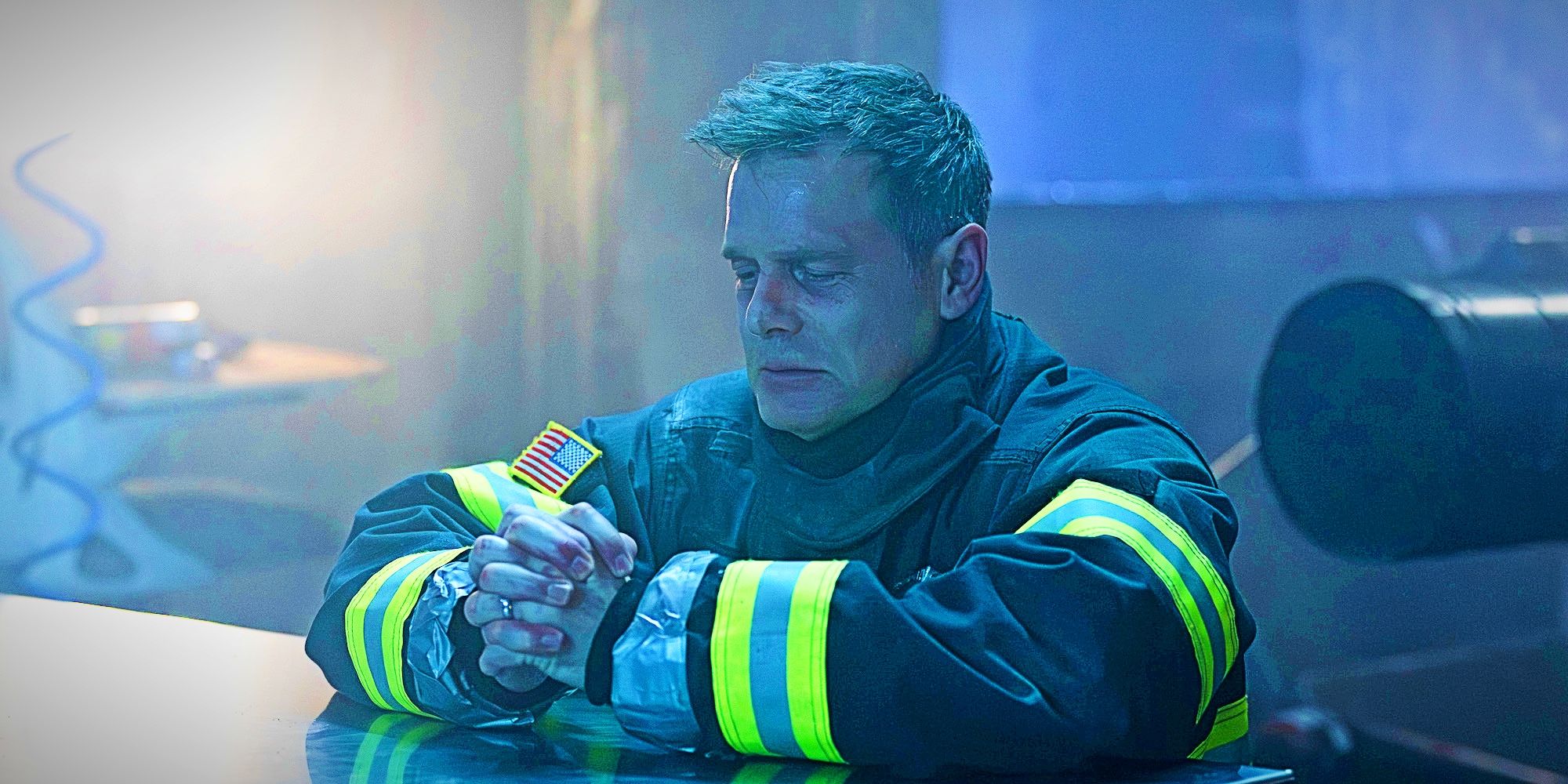
Athena’s Personal Life Fell Apart
Season 1 also delivered major emotional material for Athena Grant, whose personal life became increasingly complicated behind the scenes.
While balancing dangerous police work, Athena discovered devastating truths about her marriage. Her husband Michael eventually revealed that he was gay, shattering the life they had built together.
The storyline became one of the season’s most talked-about emotional arcs because it explored heartbreak, identity, family tension, and acceptance with surprising maturity.
Rather than turning Athena into a victim, the series showed her resilience and emotional strength as she tried to rebuild her life while protecting her children.
Her storyline helped establish Athena as one of the emotional pillars of the show.
The Emergencies Were Completely Unpredictable
Even during its first season, 9-1-1 became famous for outrageous and unforgettable emergencies.
Viewers witnessed horrifying accidents, bizarre disasters, life-threatening medical situations, and large-scale rescues that constantly pushed the first responders into chaos.
Some emergencies were terrifying, while others leaned into dark humor and absurdity — creating a unique tone that became part of the show’s identity.
The unpredictable nature of these rescue scenes quickly made the series stand out from traditional procedural dramas.
Why Season 1 Still Matters
Although later seasons introduced even bigger disasters and more shocking twists, Season 1 remains incredibly important because it built the emotional foundation of the series.
The debut episodes established the family dynamic inside Station 118 while introducing the trauma, grief, love, and loyalty that continue to drive the show years later.
More importantly, Season 1 proved that 9-1-1 was never just about explosions and emergencies. Beneath the chaos was always a story about flawed people trying to save others while struggling to save themselves.
That emotional balance is exactly why the series continues to resonate with audiences season after season.