
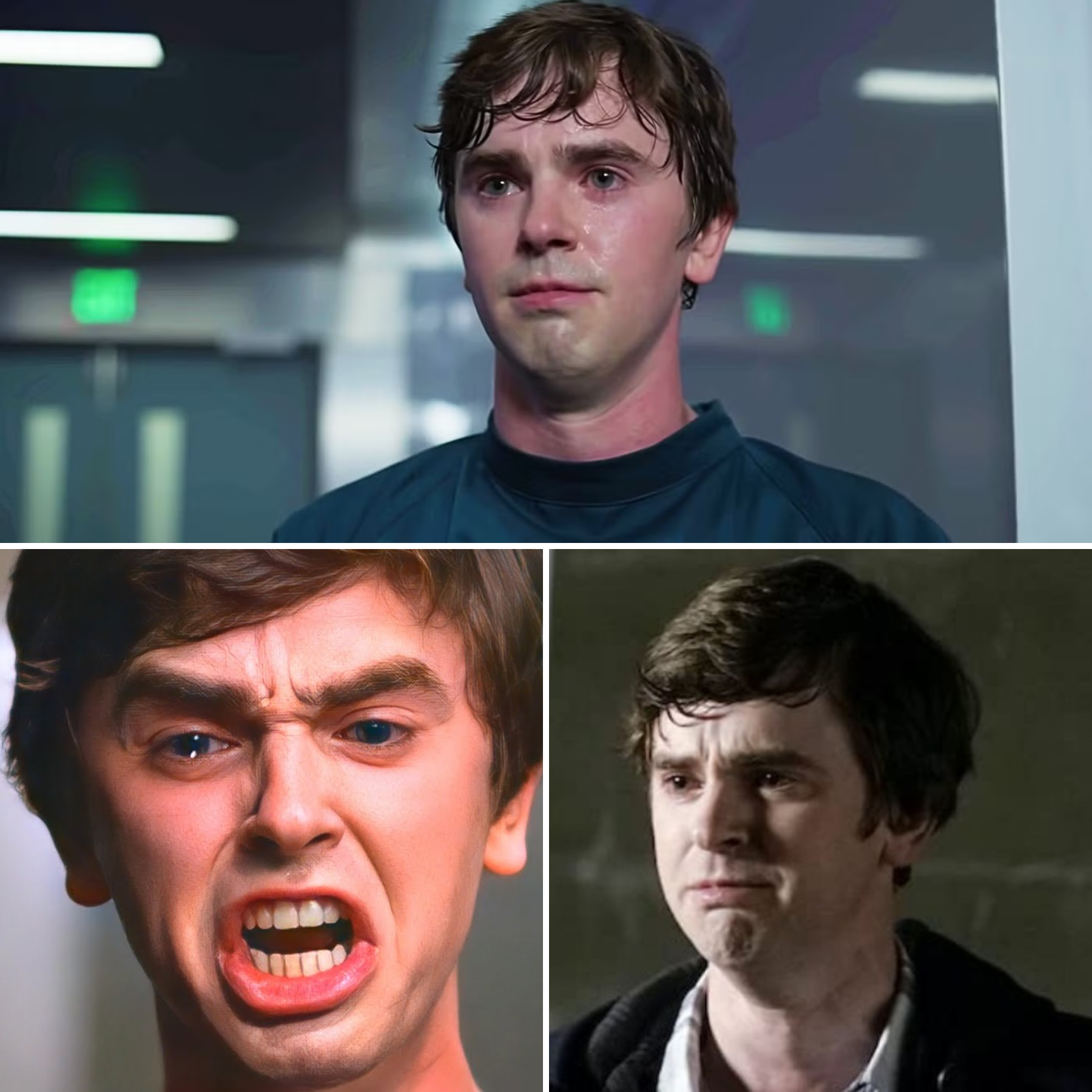
Shaun’s Hallucinations And Emotional Breakdowns
‘The Good Doctor’ Shocked Fans With Shaun Murphy’s Dark Hallucinations And Emotional Collapse
For much of The Good Doctor, Shaun Murphy was portrayed as calm, brilliant, and intensely focused under pressure. Even during medical disasters and emotional conflict, he often relied on logic and structure to stay in control.
But some of the show’s most disturbing moments arrived when that control finally began to crack.
Over the years, The Good Doctor pushed Shaun into increasingly painful emotional territory — and viewers were left stunned when the series explored hallucinations, psychological spirals, and emotional breakdowns that revealed just how overwhelmed he truly had become.
For many fans, these storylines transformed the show from a traditional medical drama into something far darker and emotionally raw.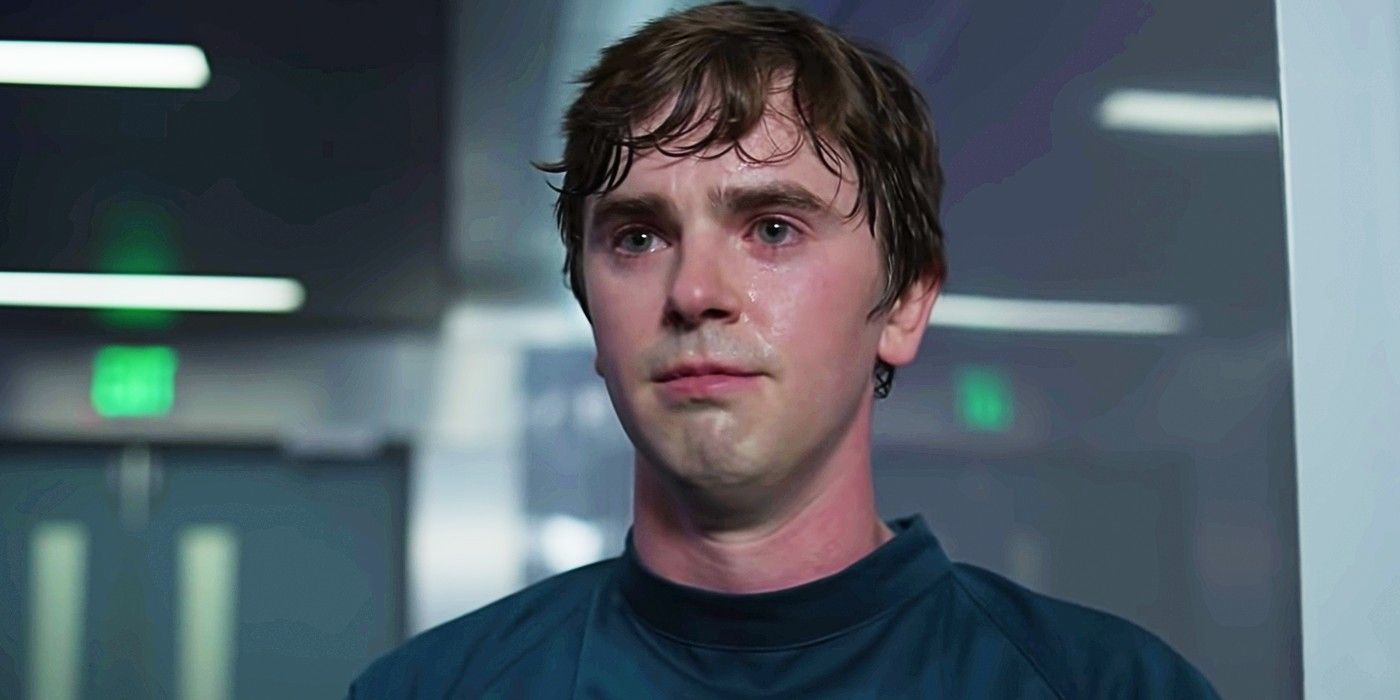
The Pressure On Shaun Kept Building
From the very beginning, Shaun faced enormous pressure inside St. Bonaventure Hospital.
He constantly had to prove himself as a surgeon.
He struggled socially with colleagues and patients.
And he carried the emotional scars of a traumatic childhood marked by abuse, fear, and loss.
For years, Shaun survived by relying on routines, precision, and intellectual focus. But as the series progressed, the emotional weight surrounding him became impossible to ignore.
Relationships grew more complicated.
Patients died unexpectedly.
Friends left.
And personal tragedies began affecting him more deeply than ever before.
Fans slowly realized Shaun was no longer emotionally protected by logic alone.
The Hallucination Scenes That Disturbed Viewers
One of the show’s most unsettling creative choices came when Shaun began experiencing vivid hallucinations and imagined conversations during periods of extreme emotional stress.
Instead of simply showing Shaun feeling sad or overwhelmed, the series visually pulled viewers inside his fractured emotional state.
At times, Shaun appeared to speak with people from his past.
Other moments blurred the line between memory, guilt, fear, and reality.
The scenes became deeply psychological, forcing audiences to experience the emotional chaos unfolding inside Shaun’s mind.
Fans were especially shaken because the show had rarely ventured into such dark territory before.
The hallucinations often reflected unresolved trauma — particularly surrounding his difficult childhood and painful memories connected to his late brother Steve.
Those moments reminded viewers that beneath Shaun’s medical brilliance remained years of emotional pain he never fully escaped.
Freddie Highmore Delivered Some Of His Strongest Performances
Freddie Highmore earned enormous praise for portraying Shaun’s emotional unraveling with painful realism.
Rather than turning the breakdowns into exaggerated television drama, Highmore played many scenes with quiet desperation, emotional confusion, and visible exhaustion.
That subtlety made the moments feel even more disturbing.
Fans watched Shaun desperately trying to maintain normality while emotionally collapsing underneath the surface.
Some of the most heartbreaking scenes involved Shaun struggling to communicate his feelings to Lea or colleagues because he himself could not fully understand the emotional storm happening inside him.
The contrast between Shaun’s normally controlled personality and his psychological vulnerability became devastating to watch.
The Trauma Storylines Changed The Tone Of The Show
As The Good Doctor evolved, these emotional breakdowns marked a major tonal shift for the series.
Earlier seasons often focused more heavily on inspirational patient stories and Shaun proving his surgical abilities.
Later seasons became increasingly interested in emotional trauma, grief, anxiety, loneliness, and mental strain.
The hallucination sequences symbolized that darker direction.
Suddenly, the biggest battles were not always inside the operating room — they were happening inside Shaun himself.
That emotional complexity helped deepen the character beyond the “genius doctor” stereotype and made his struggles feel painfully human.
Fans Were Divided By The Darker Direction
Not every viewer embraced the psychological storylines.
Some fans praised the series for taking creative risks and showing the long-term emotional effects of trauma and stress.
Others felt the darker tone became emotionally exhausting compared to the more hopeful atmosphere of earlier seasons.
Still, even critics admitted the performances remained incredibly powerful.
The emotional breakdown arcs also sparked larger conversations online about mental health, burnout, emotional regulation, and how trauma affects communication differently for different people.
Why Shaun’s Emotional Collapse Felt So Real
What made these storylines resonate so strongly was how believable they ultimately became.
Shaun spent years carrying enormous emotional burdens while constantly functioning in one of the most stressful professional environments imaginable.
Eventually, something had to give.
The hallucinations and breakdowns represented the cost of years spent suppressing fear, grief, insecurity, and emotional overload.
Instead of portraying Shaun as emotionally invincible, The Good Doctor showed a brilliant man struggling to survive overwhelming pain while still trying to care for others.
That vulnerability became one of the most unforgettable aspects of the entire series.
And for many fans, watching Shaun Murphy finally lose control was far more terrifying than any surgery or hospital disaster the show ever created.