
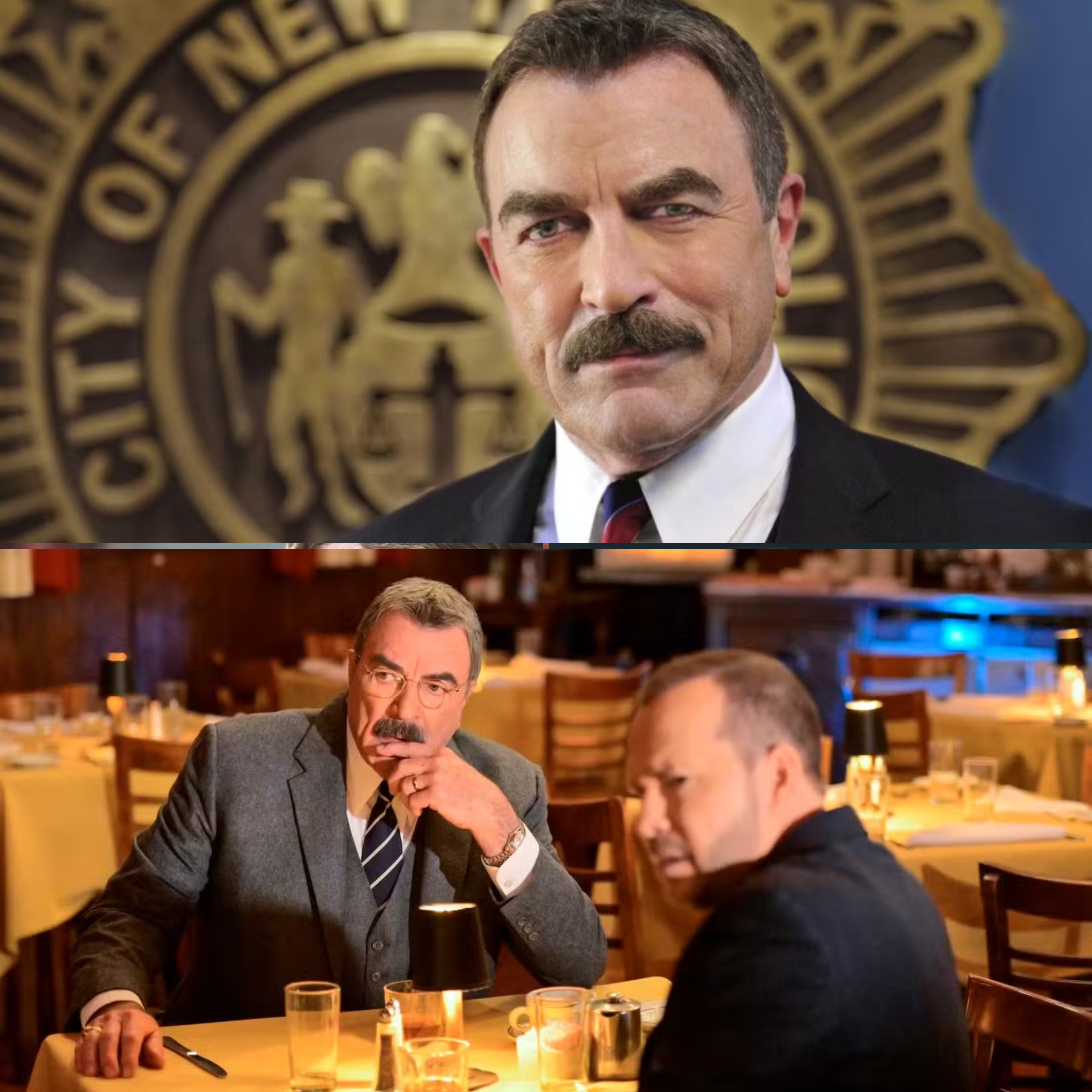
Blue Bloods would have been a very different show in the ’80s, according to Tom Selleck
Tom Selleck Says Blue Bloods Would’ve Been Completely Different in the 1980s — And Fans Can’t Stop Imagining the Chaos
It’s hard to picture Blue Bloods as anything other than the polished, emotionally grounded family crime drama that dominated CBS for more than a decade. But according to Tom Selleck, the series would have looked wildly different if it had been made during the 1980s television era.
And honestly, he may be right.
In recent interviews reflecting on the legacy of Blue Bloods, Selleck explained that network television in the 1980s operated under a completely different creative culture — one that likely would have transformed Frank Reagan and the entire Reagan family dynamic into something much tougher, louder, and far less emotionally vulnerable than what audiences eventually saw on CBS. (cinemablend.com)
Selleck, of course, knows the difference better than almost anyone.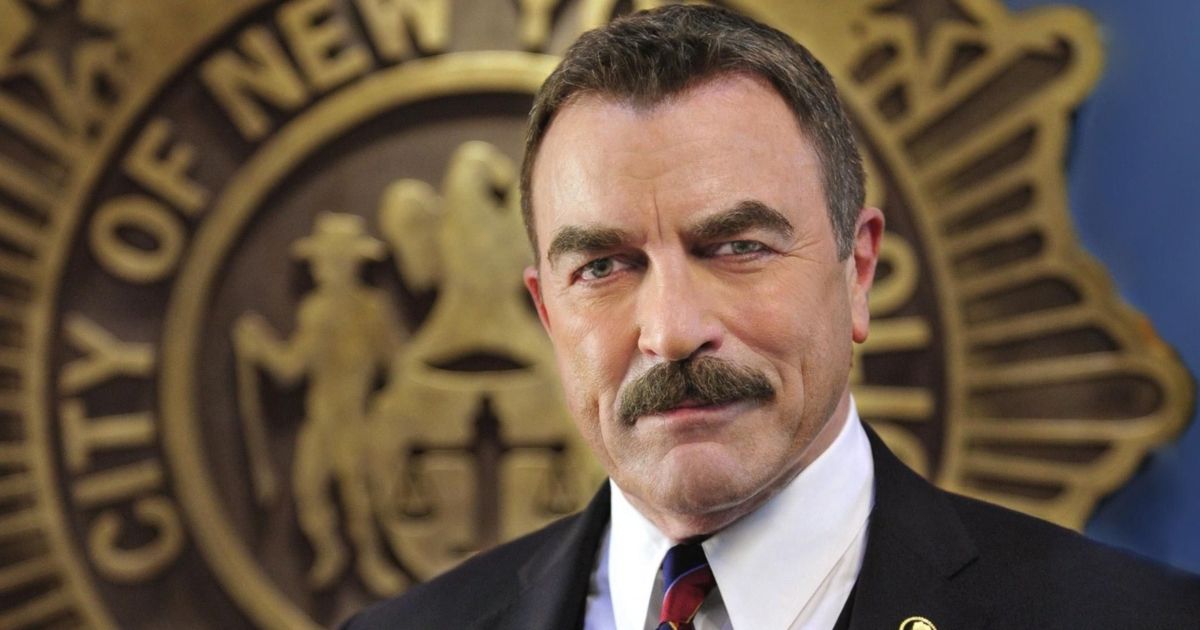
Long before becoming Frank Reagan, he became one of television’s defining stars in the 1980s through Magnum, P.I., a series built around action, charisma, fast pacing, and traditional TV heroism. Selleck suggested that if Blue Bloods had existed during that era, the focus likely would have leaned much more heavily on street action and individual heroics rather than emotional family conversations and moral reflection. (cinemablend.com)
And fans immediately became obsessed with the idea.
Online discussions exploded after Selleck’s comments surfaced, with viewers imagining an alternate-universe version of Blue Bloods packed with high-speed chases, explosive shootouts, and dramatically different Reagan family dynamics.
Some fans joked that Danny Reagan would have been “completely uncontrollable” in an ’80s version of the show. Others pointed out that Frank Reagan himself probably would have behaved more like a classic tough-guy TV captain instead of the calm, morally reflective commissioner audiences grew attached to over 14 seasons.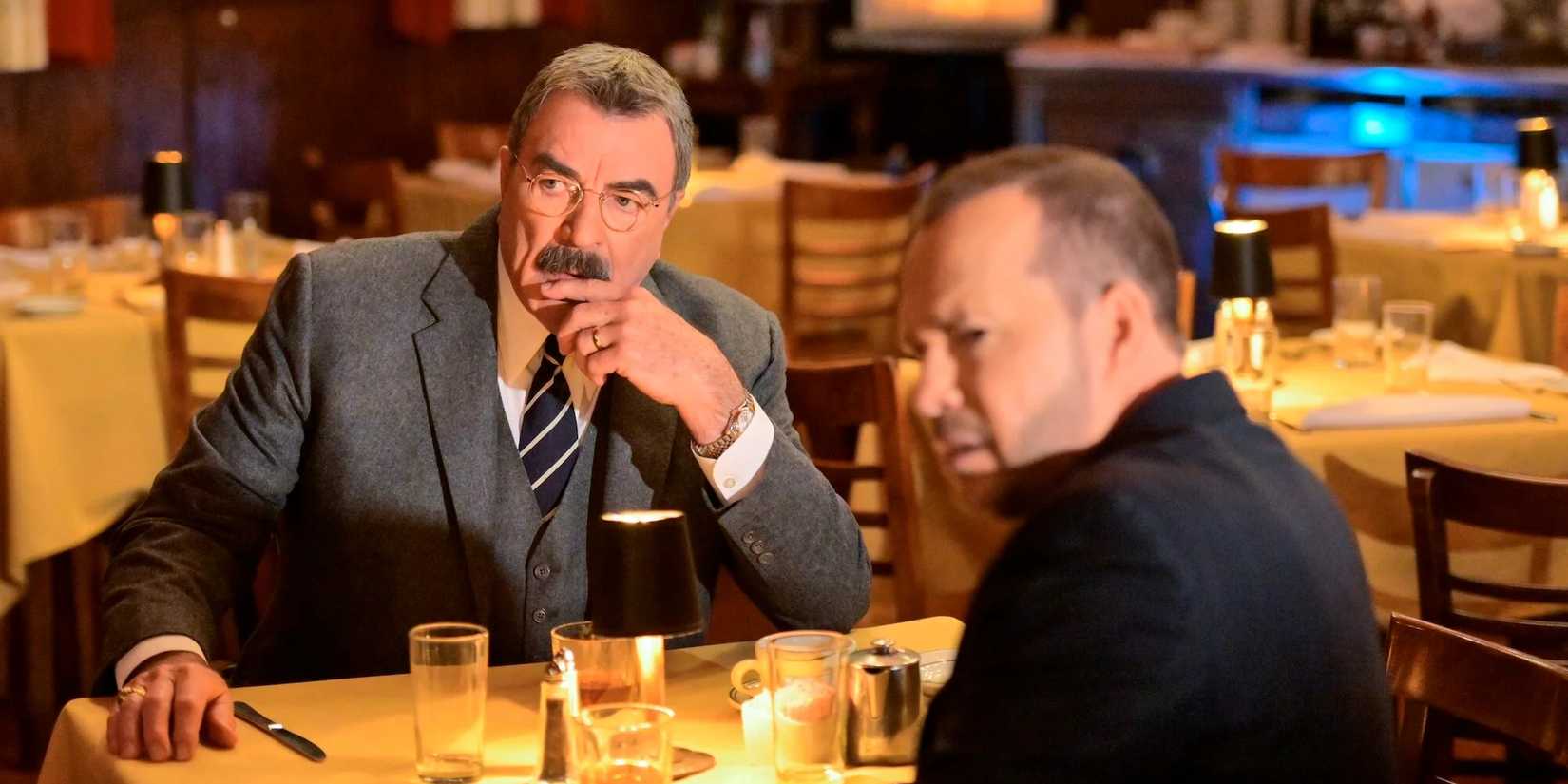
But Selleck’s comments also highlighted something deeper about why Blue Bloods connected so strongly with modern audiences.
Unlike many classic police procedurals, the show’s emotional identity wasn’t built only around crime-solving. It was built around family conversations, generational conflict, and moral uncertainty. Weekly Reagan dinner scenes became the emotional heart of the franchise precisely because they slowed the action down and focused on emotional consequences rather than spectacle.
According to Selleck, that balance may not have survived the style of 1980s television. (cinemablend.com)
Ironically, fans now believe those quieter emotional elements are exactly what separated Blue Bloods from countless other crime dramas.
The series became famous not just for police investigations, but for debates about ethics, loyalty, politics, faith, and generational responsibility. Frank Reagan wasn’t simply a TV police commissioner — he became a symbol of emotional stability and old-school leadership during an era when many television dramas leaned increasingly cynical.
That’s part of why his absence in Boston Blue feels so emotionally significant to viewers today.
Many fans now look back at Selleck’s version of Frank Reagan as the emotional “anchor” of the entire franchise. Without him, Boston Blue has embraced a darker, more psychologically fractured tone that often feels intentionally disconnected from the comforting structure of the original series.
And that contrast may actually support Selleck’s point.
Television itself has changed dramatically.
Modern audiences often expect serialized trauma, morally gray characters, and emotional instability in prestige-style dramas. In some ways, Boston Blue reflects today’s television culture just as perfectly as Blue Bloods reflected the network-TV environment of the 2010s.
That evolution is one reason fans became so fascinated by Selleck’s comments.
Because imagining Blue Bloods in the 1980s isn’t just about different hairstyles, faster cars, or bigger explosions. It’s about imagining an entirely different philosophy of television storytelling.
A version where Frank Reagan might have solved problems with intimidation instead of emotional wisdom.
A version where family dinners may have mattered less than action scenes.
A version where vulnerability itself might have been treated as weakness rather than strength.
And perhaps that’s why Blue Bloods ultimately worked so well in the era it arrived.
The show succeeded because it balanced old-school procedural storytelling with emotional conversations that felt increasingly rare in modern television. It gave audiences action and tradition, but also reflection, grief, disagreement, and warmth.
Tom Selleck seems to understand that better than anyone.
Because while fans may love imagining an ’80s version of Blue Bloods, many are also realizing something important after hearing his comments:
The show became iconic precisely because it wasn’t made in the 1980s.