
The Good Doctor Fans Still Can’t Get Over the Shocking Departure of Dr. Marcus Andrews
Few characters on The Good Doctor experienced a journey as dramatic and unexpected as Dr. Marcus Andrews. Introduced in the show’s first season as an ambitious hospital administrator who often clashed with Shaun Murphy and Dr. Aaron Glassman, Andrews gradually evolved into one of St. Bonaventure’s most respected and compassionate leaders. That transformation is precisely why fans were stunned when later seasons hinted that his time at the hospital could be coming to an end.
For years, Andrews had been one of the hospital’s power players. He survived leadership battles, career setbacks, personal heartbreak, and countless medical crises. Unlike many characters who wore their emotions openly, Andrews often appeared calm and composed, even when his world was falling apart. Yet behind that confidence was a man constantly questioning whether his sacrifices were worth it.
The storyline that shook viewers began when Andrews found himself facing a difficult crossroads. The hospital was changing rapidly. New doctors were arriving, younger surgeons were stepping into leadership positions, and the future of St. Bonaventure looked very different from the institution he had helped build. For the first time, Andrews appeared to wonder whether he still belonged in the role that had defined so much of his life.
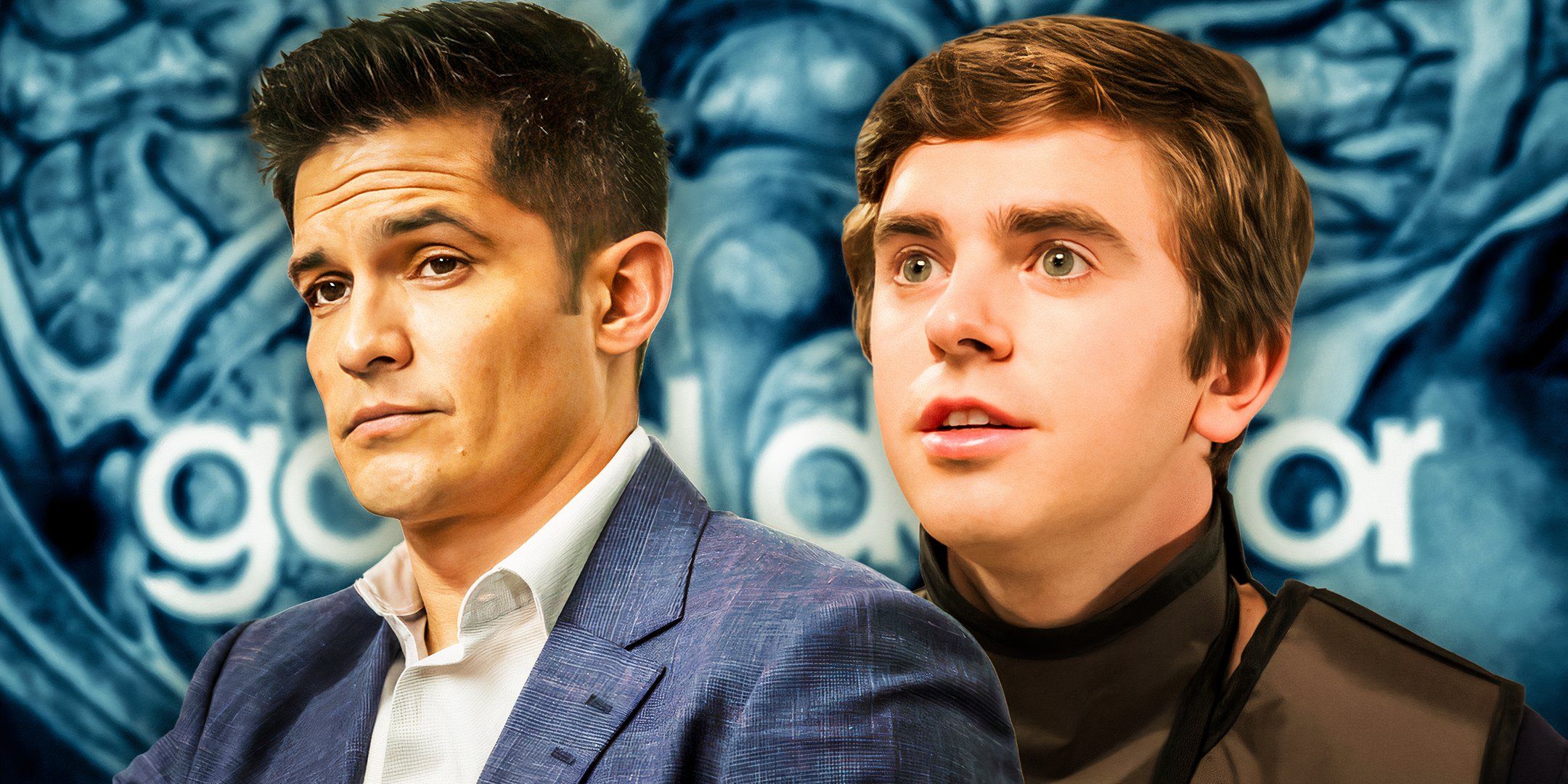
What made the story particularly emotional was how it mirrored a challenge many professionals face in real life. Andrews wasn’t being pushed out by scandal or failure. Instead, he was confronting a far more complicated question: when do you know it’s time to move on?
The uncertainty affected everyone around him. Colleagues who had spent years relying on his leadership suddenly realized how much they depended on him. Younger doctors viewed him as a mentor. Hospital administrators saw him as a stabilizing force. Even Shaun Murphy, who had often disagreed with Andrews in the past, recognized how important he had become to the hospital’s culture.
Fans were especially touched by several scenes in which Andrews reflected on his legacy. Rather than focusing on promotions or titles, he found himself thinking about the people he had helped. The surgeons he trained. The patients he saved. The difficult decisions he made when no perfect answer existed. Those moments revealed a softer side of Andrews that viewers rarely saw during the show’s earlier years.
Social media exploded after the episodes aired. Some fans feared the writers were preparing to write Andrews out of the series entirely. Others argued that a departure would make sense for the character, who had already overcome so many professional obstacles. The debate became one of the most discussed topics among viewers that season.
What made the storyline resonate was its realism. Unlike earthquakes, shootings, or dramatic surgeries, this conflict felt deeply personal. It wasn’t about life and death. It was about identity. Andrews had spent years defining himself through his work. The possibility of stepping away forced him to confront who he was beyond the hospital walls.
The emotional climax arrived when Andrews finally acknowledged that leadership is not about holding power forever. It’s about preparing others to succeed after you’re gone. That realization transformed what could have been a simple exit storyline into one of the show’s most mature and thoughtful arcs.
Although Andrews ultimately remained an important part of the St. Bonaventure family, the storyline left a lasting impression on viewers. It reminded fans that some of life’s biggest decisions aren’t made in operating rooms. They’re made during quiet moments of reflection when people must decide what kind of future they want for themselves.
Years after the episode aired, many fans still consider it one of The Good Doctor’s most underrated emotional storylines. In a series famous for shocking tragedies and impossible medical mysteries, Dr. Marcus Andrews’ struggle with purpose, legacy, and change proved that sometimes the most powerful drama comes from the choices people make when no one is holding a scalpel.