
FBI: International Fans Convinced a Major Character Was Meant to Return — And the Cancellation May Have Stopped It
Few television cancellations have generated as many “what if” questions as FBI: International.
Months after the Fly Team signed off, fans are still examining old episodes, cast interviews, and unfinished storylines in search of clues about what Season 5 might have looked like. Among the biggest theories currently circulating within the fandom is one particularly intriguing possibility: a major former character may have been on the verge of returning.
And according to many viewers, the signs were hiding in plain sight.
The theory centers on the show’s evolving leadership dynamic following the departure of Scott Forrester. When Luke Kleintank exited the series, the writers faced one of the biggest challenges in the show’s history. Forrester had been the face of the Fly Team since the beginning, and replacing him was never going to be easy.
Yet rather than attempting to erase the character’s legacy, the series continued referencing his influence long after he left.
That decision caught the attention of fans.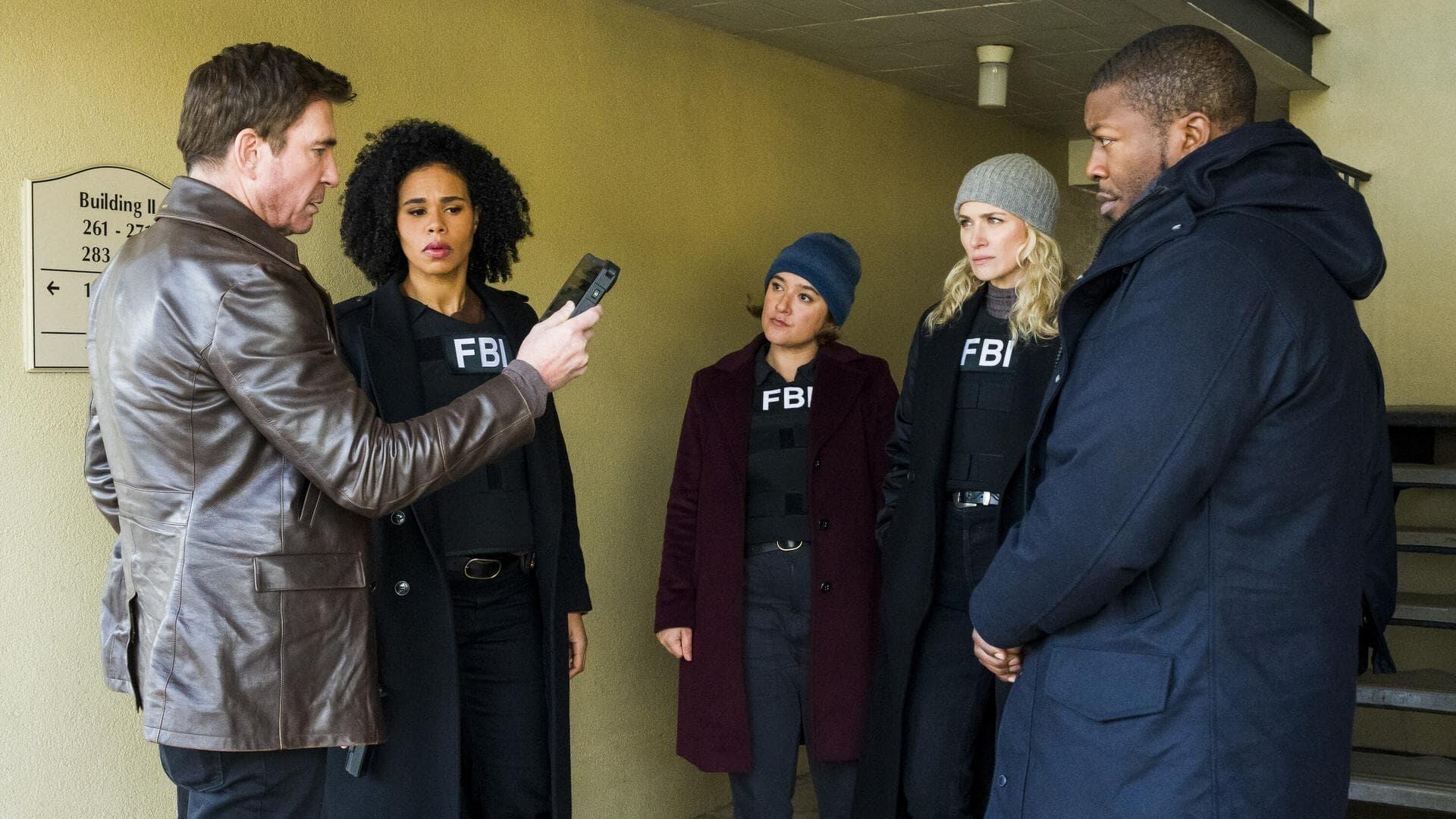
In many television dramas, departing characters are gradually pushed into the background as writers focus on new faces and fresh storylines. FBI: International took a different approach. References to Forrester remained part of the conversation, creating the impression that the door had never been fully closed.
As a result, speculation began to grow.
Could the former Fly Team leader have eventually returned?
The question became even more interesting during Season 4. The introduction of Wes Mitchell, played by Jesse Lee Soffer, created a new leadership structure that seemed designed to generate fresh conflicts and opportunities. Rather than replacing the past, Mitchell’s arrival appeared to build upon it.
Some viewers interpreted that approach as groundwork for a future reunion.
Imagine the possibilities, fans argued. A veteran leader returning to cross paths with the agent who inherited his position. Different philosophies. Different methods. Two strong personalities navigating the same mission.
From a storytelling perspective, the potential was enormous.
The cancellation ensured those possibilities would never be explored.
That reality continues to frustrate longtime viewers because the fourth season frequently felt like the beginning of a new chapter rather than the end of a story. New relationships were developing. Character arcs were expanding. Several members of the Fly Team appeared poised for significant growth.
Then everything stopped.
Entertainment analysts often note that procedural dramas thrive on long-term character development. While weekly investigations attract viewers, emotional investment in recurring characters keeps audiences returning year after year.
By that measure, FBI: International seemed well-positioned for future success.
The show’s international format gave writers virtually unlimited storytelling opportunities. Every new country presented different challenges, different threats, and different political complications. Combined with an increasingly established ensemble cast, the series appeared to have a strong foundation for additional seasons.
Instead, fans were left imagining what might have happened.
The return theory is only one example.
Others speculate that former allies, recurring villains, or even crossover characters from the broader FBI universe could have appeared in future episodes. The franchise’s interconnected nature made such developments entirely plausible.
Without a fifth season, however, those possibilities remain confined to fan discussions.
Ironically, the absence of answers may be one reason the show continues attracting attention long after its conclusion. Television audiences often move on quickly from cancelled programs, but unresolved storylines have a way of lingering.
Every unanswered question becomes an invitation for speculation.
Every unfinished arc becomes a reason to revisit old episodes.
For FBI: International, that phenomenon has kept the series surprisingly relevant. Fans continue debating what the writers intended, what stories were still being planned, and which characters might have returned if the show had survived another year.
Whether any of those theories are correct may never be known.
What is known is that the cancellation arrived at a moment when the series still appeared to be building momentum. Instead of delivering a definitive ending, it created a collection of mysteries that viewers continue trying to solve.
And among them, one question refuses to disappear:
If the Fly Team had received one more season, who might have walked back through those doors?
For now, the answer remains locked away in the unwritten future of a show that ended before its story was truly finished.